Remembering the Meaning of the Fund on Sean’s Heavenly Birthday
IN MEMORY OF SEAN COSTELLO
April 16, 1979 – April 15, 2008
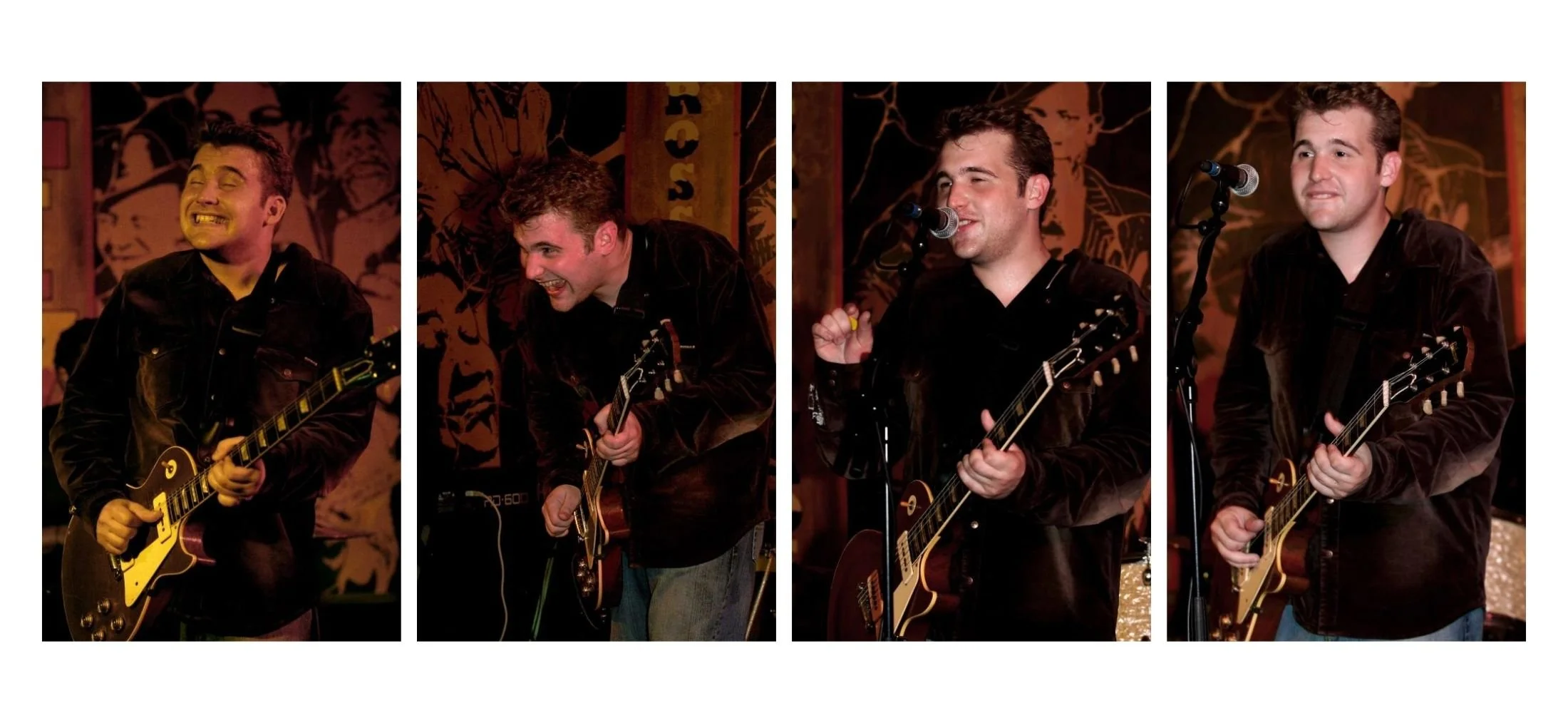
Sean Costello performing at B.B. King's Blues Club in Memphis, Tennessee
The Sean Costello Memorial Fund was founded in Sean’s name for two main reasons: to remove the stigma of the diagnosis of bipolar disorder, and to support research to provide evidence-based care to creative persons, with a musician as our muse. I have written at length about the delay in diagnosis (7-10 years), the roll of the dice with medication; and the use of substances to deal with the confusion and challenges of moods (50% of people with bipolar disorder are addicted to alcohol). Unfortunately, not much in treatment has changed since Sean prematurely left this world.
March 30 was International Bipolar Day. A wonderful organization from British Columbia, Collaborative RESearch Team to study psychosocial issues in Bipolar Disorder (CREST.BD), is dedicated to researching and offering innovative programs for persons with bipolar disorder. Several years ago, the Fund gave them a grant for a research project with creative persons diagnosed with bipolar disorder. I was lucky enough to be part of the project. I walked away with an understanding of the universal theme of the group: “I thought I was the only one.” This year, CREST.BD invited me, along with 80 professionals, to participate in a two-day international online question and answer session about bipolar disorder. There were thousands of questions posed in a myriad of topics, to providers who volunteered their time.
Given that I am not a licensed mental health professional or scholar, my contributions were few; however, the questions were enlightening. Truthfully, many of them were repeated in different words. Common themes were: how genetic is bipolar disorder, can I pass the disorder to my unborn child, how do I live with the effects of the medication when they often flatten my affect, and are there any new treatments or insights into the disease, just to highlight a few. The work that the Crest BD staff put into this was incredible. Imagine, over 80 professionals volunteering their time over 2 days, as a ready resource for participants’ concerns. I was honored to be included. I’ll be honest, though, I came away somewhat saddened. The recurring symptoms, medication side effects, and lack of advancement in treatments, were mentioned in an abundance of posts. Some participants were able to challenge the providers with well-researched and complicated questions. Nonetheless, I came away with the sense that, except for a broader choice of medications, there haven’t been significant breakthroughs in diagnosis and treatment.
This experience, however, underscored the mission of the Fund: research. One participant revealed that pharmaceutical companies are moving away from researching mental health medication, as autoimmunity is a more popular diagnosis. Not disparaging the need for better understanding and treatment of autoimmune diseases, much more is yet to be done to make a dent in the care of a person with bipolar disorder. When you are a musician, facing disruptive sleep patterns, the ready availability of substances, and fear of what stigma could do to your livelihood, etc., targeted study of what improves and/or saves lives is imperative.
So, how does this organization better impact the life of a musician with bipolar disorder? The opportunities are many, but the needs necessary to succeed with them are great. Sean and many others who have died due to lack of appropriate intervention, deserve to have lived to reach their full potential. If this organization is to achieve its mission, several things need to be accomplished:
A succession plan, as I am officially in the elderly category (!). To survive, the Fund needs to work with someone to take the reins
A marketing plan and someone to form and implement the plan
A social media volunteer/intern to keep the Fund on people’s minds
New board members committed to the ongoing work of the Fund
Funding! It’s a chicken and egg thing. Solid research findings may garner more attention and donations; however, it takes a large grant to get the results that will make a difference.
None of this is meant to dismiss what has already been accomplished with the generosity of our donors, including:
Research projects with Collaborative RESearch Team to study psychosocial issues in Bipolar Disorder (CREST.BD) as well as other Board Members that resulted in scientific publications of results, acknowledging the Fund’s support.
Invitation to present at the International Society for Bipolar Disorders (ISBD) conference, the largest global conference on bipolar disorder, held that year (2011), Rome, Italy. This was a recognition of the reputation of our board members and the unique mission of the Fund.
Donations to
Right Turn Services, a Boston-based organization that works with recovering musicians
Nuci’s Space, an Athens based organization for musicians, including mental health services
Guitars were donated to several Atlanta based psychiatric and rehab facilities for their Music Therapy programs.
Ukuleles were donated to adolescents who were hospitalized over Christmas at Skyland Trail.
Multiple presentations called Beautiful Minds, were done in conjunction with Emory University’s Mood Disorder Center, that included stories of creative persons and how bipolar disorder impacted their lives. Additionally, education about the disorder was included in every session. The sessions were well-attended and overwhelmingly received positive response.
Music benefits for the first 15 years with the support of the musician community. While funds were used to support the mission, the intent was to minimize the stigma of bipolar disorder. Many family members and friends took the time to speak with me about their experiences, and at times, ask for advice.
Social media presence has resulted in more connections than I can list. Many, many people write about Sean, but just as many about their own challenges. Part of the message frequently expresses how the work of the Fund has positively impacted their lives.
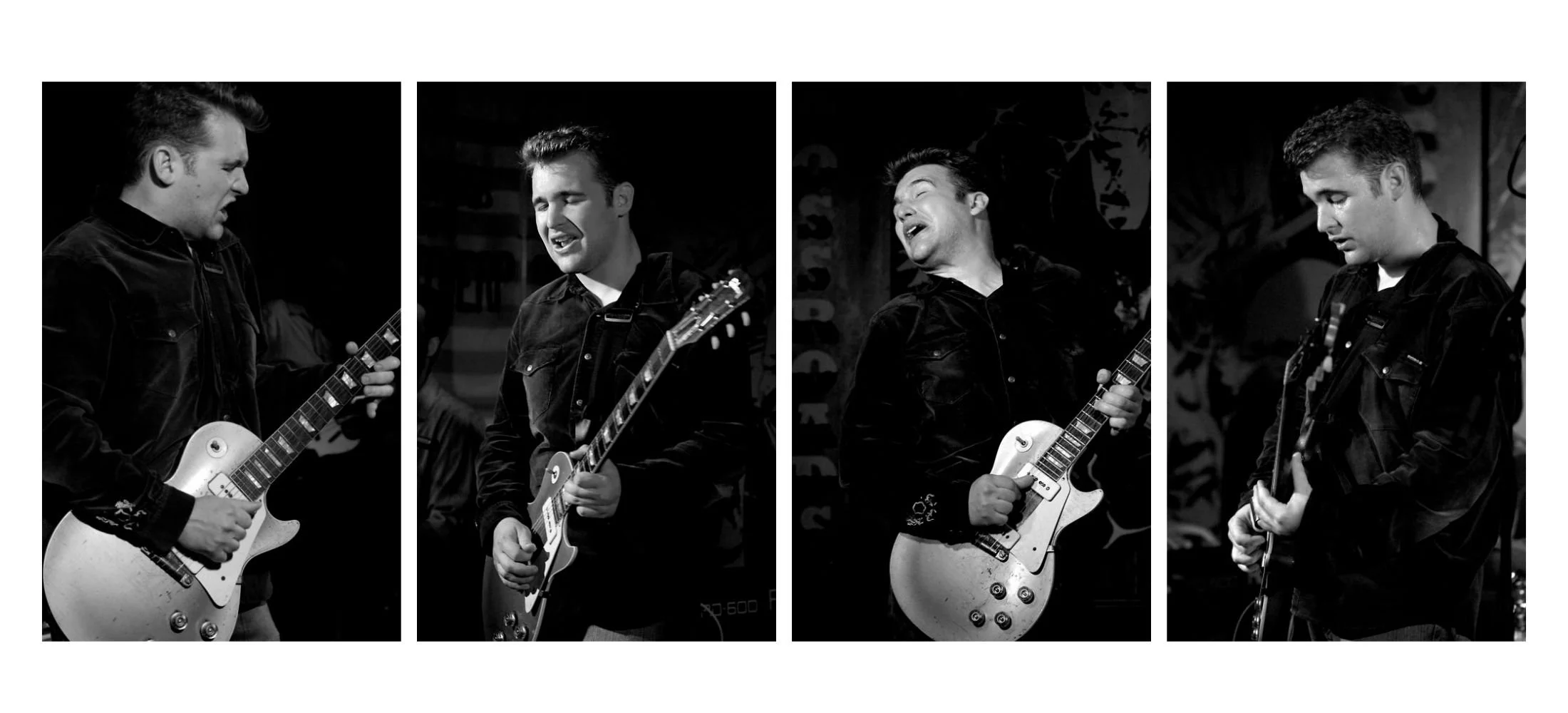
Sean Costello performing at B.B. King's Blues Club in Memphis, Tennessee